Ghana’s internet users face some of the highest data costs in Africa, hindering the country’s digital progress. While mobile broadband has driven huge growth with roughly 68% of Ghanaians online using smartphones, the cost of mobile data and fixed broadband remains a common complaint. Recently, these complaints are becoming a campaign which has drawn the …
Why Data is Expensive in Ghana

Ghana’s internet users face some of the highest data costs in Africa, hindering the country’s digital progress. While mobile broadband has driven huge growth with roughly 68% of Ghanaians online using smartphones, the cost of mobile data and fixed broadband remains a common complaint. Recently, these complaints are becoming a campaign which has drawn the minster’s attention as well as stakeholders.
Industry figures show Ghana’s telecom sector paid GH¢9.84 billion in taxes and levies in 2023 (up 30% from 2022), and operators cite steep infrastructure and regulatory costs as drivers of high retail prices. For example, one ITU/GSMA analysis finds a 2GB data bundle costs about $2.66 in Ghana (versus $2.35 in Nigeria, $2.92 in Kenya, and $7.98 in South Africa). Consumer advocates and public stakeholders have petitioned the government to act: students, bloggers and unions have urged President and the Ministry of Communications to rein in tariffs, and in early 2025 an inter-agency committee was formed to recommend how to make data more affordable. This report examines the factors behind Ghana’s high data prices, including network costs, taxes and levies, currency effects, bandwidth acquisition, and market structure, and compares Ghana’s situation to other countries.
Mobile and Fixed Broadband in Ghana
Ghana’s internet infrastructure is dominated by mobile networks. Mobile subscriptions (voice and data) number roughly 35 million, nearly equal to the population. In practice, most users connect via 3G/4G smartphones – about 68% of Ghanaians access the Internet on phones. Fixed broadband (fiber or cable) is far less common, mainly serving businesses and some urban homes. The market has only three major mobile operators: MTN Ghana, Telecel Ghana (formerly Vodafone), and AT (AirtelTigo). MTN by far dominates. According to the National Communications Authority, MTN holds about 75% of all voice subscriptions and 82.3% of 4G users, while Telecel has roughly 17.6% of 4G, and AT Ghana effectively under 1%. This market concentration means limited competition to force down prices. Local ISPs and fibre operators (e.g. Vodafone Fixed, Telecel fixed, small fiber companies) also face high costs and limited scale, so fixed broadband is similarly expensive. In short, Ghana’s users pay off a powerful incumbent (MTN) and a couple of much smaller operators to deliver almost all internet access.
Infrastructure and Operational Costs
Mobile and broadband networks are expensive to build and operate, and Ghana’s conditions amplify these costs. Operators must deploy extensive infrastructure (towers, base stations, fiber backhaul, data centers) over a wide area. Rough terrain, rural gaps, and a shortage of grid power in some regions mean many sites rely on diesel generators, driving high fuel and maintenance costs. For instance, industry observers note that diesel and power expenses can be 30–60% of an operator’s OPEX in Africa (much of that in places with unreliable grids). Ghana also suffers from a weak cedi: equipment and fuel must be imported in dollars. A sharp currency depreciation in 2023 greatly increased operators’ costs: import duties on telecom equipment jumped from GH¢331 million to GH¢610 million, partly because of the weaker cedi. The Ghana Chamber of Telecoms has urged the government to waive import duties on essential telecom gear and related solar components, noting that this would lower capital costs. In the meantime, higher procurement costs are passed down – for example, vendors report they must pay more (in cedis) for the same antennas or routers than a year ago.
Taxation, Levies and Regulatory Fees
A major driver of Ghana’s high data prices is taxation. The telecom industry is heavily taxed at many points – on consumption, on corporate profits, and on equipment. Key levies include:
- Communications Service Tax (CST): a 9% levy on telecom services, deducted at purchase. (In 2019 it was raised from 6% to 9%, sparking public protests like the #SaveOurData campaign.) The Ghana Chamber reports CST receipts rose 25% in 2023 to GH¢636.8 million, and cautions that this tax “put[s] a damper” on data affordability. The Chamber has even recommended scrapping or cutting the CST to spur usage.
- Value Added Tax (VAT): At 12.5%, VAT applies to telecom services (adding roughly 12% to the sticker price). In 2023 VAT on telecom grew to GH¢1.42 billion. The government has signaled a reworking of VAT rules to be revenue-neutral, which industry hopes will mean lower rates on digital services.
- Excise duties and other fees: These include special levies like the National Fiscal Stabilisation Levy (a general 5% on telecom), and statutory NCA license fees. The Ghana Chamber notes these “industry-specific taxes” inflate costs and urges a broader tax base with lower telecom rates.
- Corporate and income taxes: Telecom companies pay normal corporate taxes (CIT) and withholding taxes on imports; for example, the sector’s CIT rose to GH¢1.71bn in 2023. While these taxes aren’t directly on consumers, operators argue they leave less margin to offer cheaper services.
In sum, roughly half of every airtime or data cedi goes to government (through VAT, CST, import duties, E-levy, etc.) according to industry estimates. Operators frequently point out that Ghana’s tax burden on telecoms is among the heaviest globally. The Chamber has even framed the industry as a major revenue driver (9.84bn tax payments in 2023), arguing that fairer rates could grow the user base and eventually expand the tax base.
International Bandwidth and Spectrum Costs
Ghana’s internet also depends on undersea and terrestrial bandwidth, which has its own costs. The country is served by multiple subsea cables (WACS, MainOne, Glo-1, SAT-3, etc.), but capacity must still be leased in dollars. As of 2020, analysts pointed out that international bandwidth costs remain high, even though new cables were expected to drive wholesale prices down. In practice, retail broadband plans (for homes and offices) were still very costly – one account noted fixed broadband at $500–$1000 per month for typical business speeds. While users in 2024 may see lower bandwidth costs than a decade ago, providers still quote them as a factor in pricing.
Another hidden regulatory cost is spectrum licensing. Ghana auctions frequency bands (3G, 4G, etc.) to operators, and the license fees are a substantial investment. According to a recent GSMA analysis, “African governments have assigned approximately half the spectrum” and charge fees that (when adjusted for GDP) are 4 times higher than the developed-world median. High spectrum prices and late licensing have been cited as key reasons Africa’s mobile networks lag. In Ghana, MTN and Telecel paid significant sums for their 4G licenses – costs which analysts say inevitably influence pricing decisions.
Market Concentration and Competition
Ghana’s market structure also affects prices. MTN’s dominant share (over 75% of users) means it sets the benchmark rates. The other players (Telecel and the small AT Ghana) have little market power to force lower prices; indeed, Vodafone’s Ghana unit was struggling before rebranding. Even fixed-line broadband has few providers, so end-users cannot easily “shop around.” Competition policy like Significant Market Power (SMP) regulation has been discussed, but its impact is still uncertain. With only three national networks, price wars are rare. Operators occasionally launch promotional bundles, but these often have trade-offs (e.g. usage limits or shorter validity) that make them less attractive for heavy users. In practice, consumers report that the cheapest bulk data packs can be expensive per GB, pushing many to buy only small data bundles frequently (and thus pay more per GB).
Comparisons with Other Countries
Placing Ghana in context, its data costs are neither the highest nor lowest in Africa, but overall remain well above global best-practices. According to ITU/GSMA affordability data, a 2GB mobile data plan costs about $2.66 in Ghana. By comparison, Nigeria’s cost is about $2.35, Kenya’s $2.92, and South Africa’s $7.98 (2GB). Other analyses put Ghana’s per-gigabyte cost around $0.40 (similar to Nigeria’s $0.38), which is cheaper than in Kenya ($0.59) or South Africa ($1.77). In global terms Ghana is far from the cheapest: for example, cable.co.uk ranked Nigeria (and by extension Ghana) behind many Asian and European countries (where 1GB can be a few cents or free). Crucially, even Africa’s relatively low data prices often exceed international affordability targets. A recent ITU report finds the average SSA data plan costs 3.9% of monthly income, nearly double the UN’s 2% benchmark. Ghana’s per-capita income is higher than Nigeria’s (about $7,543 vs $6,207 in 2023), so Ghana’s prices translate to a somewhat smaller share of income than in Nigeria; however, they still leave many low-income users priced out.
Public Concern and Government Response
The high cost of data has become a hot public issue. Social media campaigns (e.g. #SaveOurData in 2019) highlighted user anger when taxes rose. This year, with inflation and currency pressures, consumer groups and even student unions have called on the new government to act. In February 2025, Communications Minister Samuel Nartey George formed an Inter-Agency Data Pricing Committee of 23 members (including Finance, NCA, the Telecom Chamber, student unions, bloggers and others) to devise a road map for cheaper data. The committee was given a rapid deadline – about 14 working days – reflecting political urgency. Minister George has publicly pledged that “by the end of [2025], we will see data prices drop”. He noted that the technical committee (on which operators sat) already produced a roadmap, and regulators are now engaging stakeholders on short- and long-term measures.
Industry players have signaled willingness to cooperate: one leading operator reportedly offered a 10% price cut in January 2024, which was delayed due to regulatory hesitancy. Ghana’s Chamber of Telecoms has also actively lobbied the Ministry and Finance to reduce CST and other levies, or at least adjust them to ease burdens on users. Public statements from both government and the telecoms sector emphasize finding “value and affordability” for consumers, though each side notes economic constraints (operators cite exchange rate and inflation, officials stress fiscal limits).
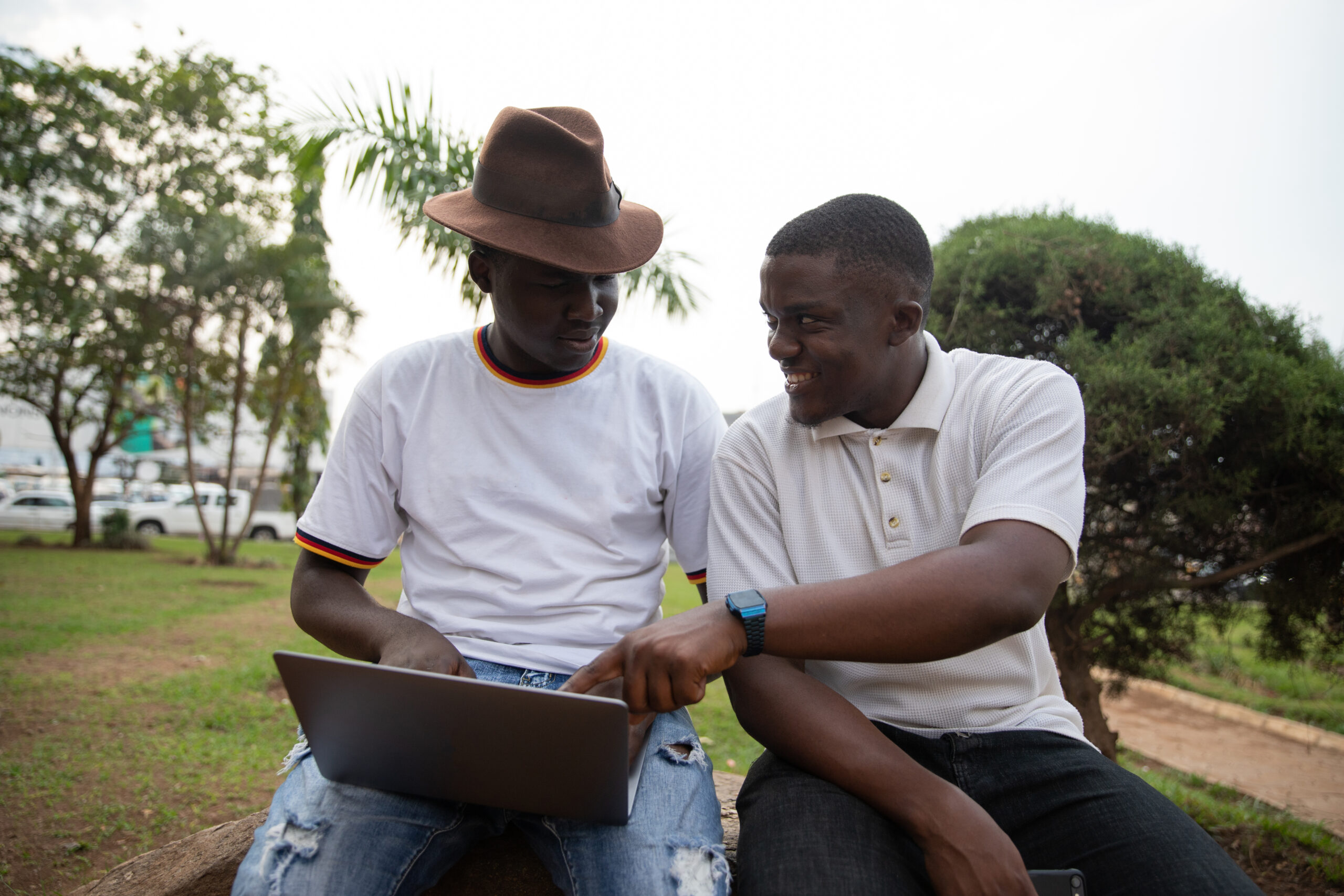
On the consumer side, surveys and media reports indicate frustration: many Ghanaians say data eats a large share of household income, forcing some students to study under trees with borrowed Wi-Fi. Some even threatened street protests to demand lower tariffs. (In a 2019 poll, thousands tweeted accusations of “data hoarding” by telcos after a tax hike.) Whether the new committee’s proposals – possibly including tax cuts, better regulatory transparency, or more aggressive competition measures – will satisfy public demands remains to be seen.
Conclusion
Ghana’s high data prices result from a confluence of factors. On the cost side, operators face expensive infrastructure rollout, heavy taxes and duties, and a weak currency that makes imports dear. On the market side, limited competition means prices stay relatively high even as underlying costs (e.g. wholesale bandwidth) fall. Compared to peers, Ghana is not the worst offender, but it lags behind global norms. The government’s recent intervention (committee, ministerial promises) acknowledges the problem and has set targets for relief. Experts suggest that addressing key fiscal burdens – such as the Communications Service Tax and import duties on equipment – could have the fastest impact on prices. In the longer term, expanding infrastructure (including 5G spectrum, affordable fiber) and nurturing competition (for example through MVNOs or new entrants) will also be crucial. The tension between raising public revenue and ensuring affordable connectivity will be a central policy challenge for Ghana’s digital agenda. For now, Ghana’s professional and business communities await the committee’s recommendations, hopeful that 2025 will bring some easing of data tariffs that have weighed on households and enterprises alike.

Subscribe to MDBrief
Clean insights, a bit of sarcasm, and zero boring headlines.