Instead of looking only to politicians or old-school celebrities, youth are finding guidance, inspiration, and practical advice on YouTube, TikTok, and other platforms.

If you scroll through TikTok or Instagram these days, you’ll see faces not much older than yourself, and they might just be from here at home in Ghana. With roughly 70% of Ghanaians now online, social media is exploding with local stars. These Ghanaian influencers aren’t just sharing dance videos or fashion tips. Many influencers are emerging as unexpected role models, educators, and entrepreneurs for the younger generation.
Instead of looking only to politicians or old-school celebrities, youth are finding guidance, inspiration, and practical advice on YouTube, TikTok, and other platforms. YouTube has become “a game-changer for young Ghanaians looking for visibility, creativity, and most importantly some income.
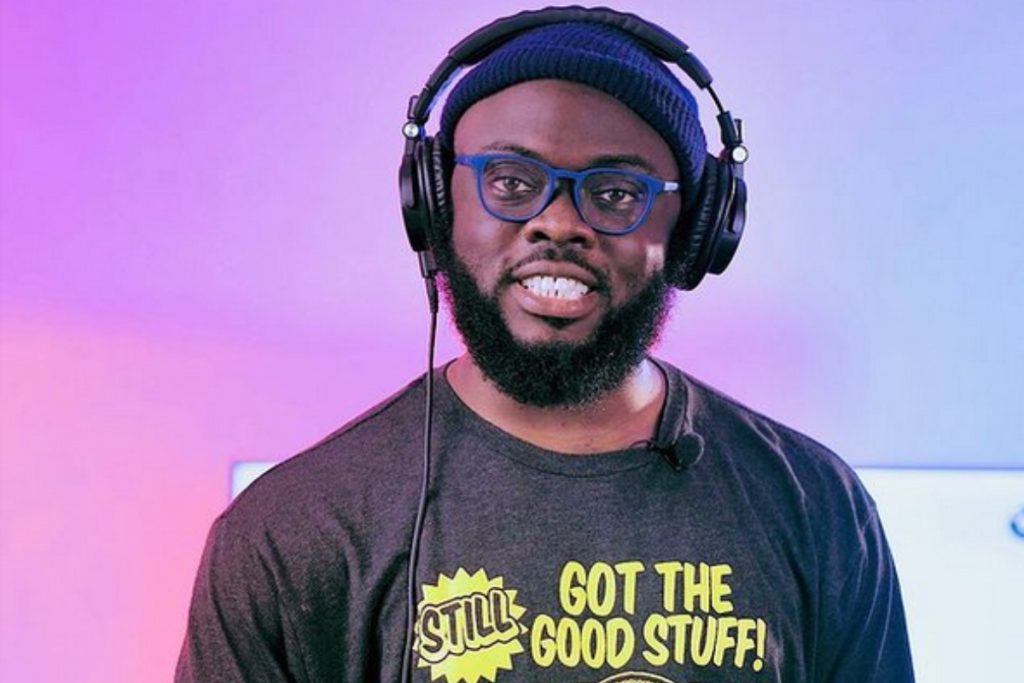
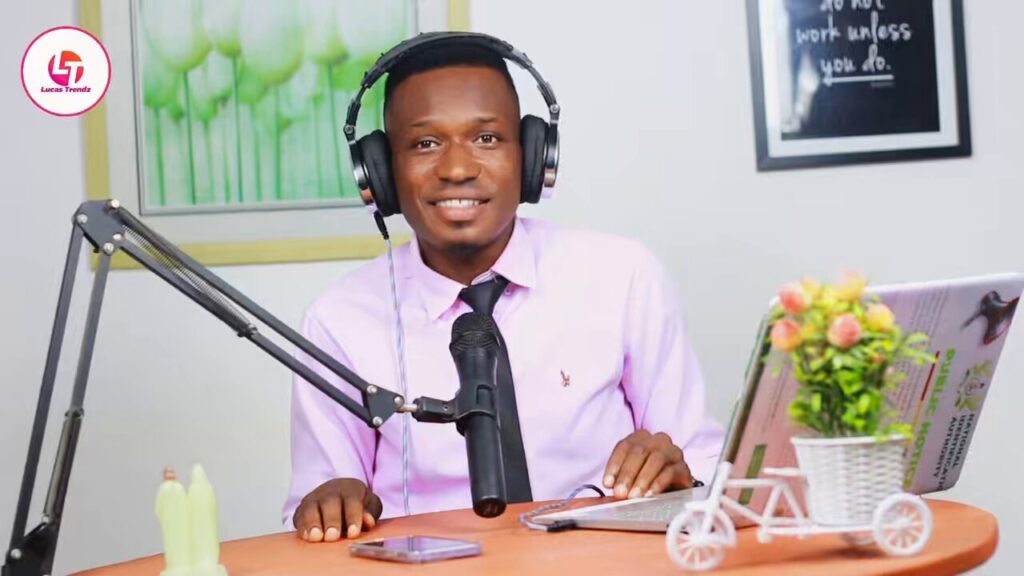
More than funny memes or hoping onto trends, today’s Ghanaian influencers are shaping aspirations. They speak your language, both Twi, Ewe, Kasem, Dagbani and digital. Tech-savvy creators make complex ideas easy, while outspoken vloggers challenge outdated norms. For many young Ghanaians, scrolling through content is like a mini-university or a business seminar, you learn how to code, debate politics, or start a brand without setting foot in a classroom. One recent report notes that Ghana now has over 5 million active YouTube users, mostly aged 16–35, hungry for local content like comedy skits, tech reviews, and news commentary. In response, Ghanaian YouTubers like Kwadwo Sheldon and Wode Maya have racked up massive followings, and also inspiring a new wave of digital entrepreneurs like Headless YouTuber and Lucas Trendz.
How Ghanaian influencers are empowering youth
Sparking Civic Engagement
Influencers have turned tweets into protests. Take KalyJay, a young Ghanaian whose #FixTheCountry posts went viral in 2021. What started as Twitter rants about high taxes and poor roads became nationwide protests as thousands of youth joined the call. KalyJay’s platform became “a rallying point for young people seeking socio-political change”. He showed that even a social media post can give young Ghanaians a voice in national issues. KayJay has since dabbled into politics, and that raises a new conversation around influencers using their influence for policital pursuits.
Promoting Entrepreneurship & Self-Belief
Others use their followings as mentor-hacks. SneakerNyame (Foster Kofi Agyapong) is a fashion/lifestyle blogger who openly talks about youth business, personal branding, and even mental health. His content is like an authentic pep talk – one might be about designing your sneakers, another about starting an e-commerce store. He’s “been vocal on matters like youth entrepreneurship, digital branding, and education,” packaging advice in a way young people relate to. By watching him turn a hobby (sneaker culture) into an income stream, Ghanaian youth see that they, too, could build something from their passions.
Educating and Explaining
Some influencers are literal teachers online. For example, the Tech in Twi channel breaks down how to use digital tech but the twist is he does it in Twi. Instead of English, he explains them in everyday language. This “bridges the digital divide” by making tech skills accessible to rural or non-English speaking youth. In another arena, Ghana’s own Youth Authority teamed up with UNESCO in 2024 to train 70 social media influencers on sexual and reproductive health. These newly trained influencers now use Facebook, Instagram, TikTok, etc. to educate peers on topics like teen pregnancy and gender violence. In short, instead of school desks, classrooms are moving to phones – and these influencers are the teachers.
Challenging Old Norms
Younger creators often call out outdated traditions. Ama Governor is a lawyer-turned-YouTuber who speaks on gender, sexuality, and discrimination. After Ghana’s legal council initially blocked her from becoming a lawyer, she used vlogs to push for reforms in the justice system. Her boldness has opened conversations on topics elders might avoid. Meanwhile, channels like Kwadwo Sheldon mix comedy with news to ignite public discussions on a wide variety of topics. His viral rants about corrupt politicians or celebrity culture educate and provoke young people to think critically about society.
Showing New Career Paths
Perhaps most tangibly, many influencers are making money online and showing you can too. Take the story of TikTok model Hajia Bintu, she went from a resort waitress to owning a Mercedes-Benz, and she credits it all to “influencer deals and instant ads” on social media. Yes, millions of cedis from clips and sponsored posts! Or consider Ghana’s top YouTubers: Kwadwo Sheldon, Wode Maya, Nana Ama McBrown, these creators have turned their channels into full-time businesses with brand partnerships and ad revenue. According to local media, Ghanaian influencers now “master consistent uploads, high-quality storytelling, and audience engagement,” which pays off. Watching their success convinces young viewers that digital hustles (TikTok boutiques, YouTube tutorials, even viral Afrobeat covers) are real avenues to a livelihood.
Businesses Tap Influencer Potential in Ghana
Importantly, the influence goes both ways. Ghanaian businesses notice this shift and are eager to tap into influencer marketing. Major companies (MTN, Kasapreko, banks, even sports betting apps) have started partnering with online creators to reach youth. When companies pay creators, they feed back into the economy, so the more influencers we have, the more money flows into youth pockets and local businesses.
Overall, these trends aren’t just random as they reflect a deeper change in youth aspirations. With internet and smartphone access booming across Ghana, young people are naturally drawn to peers who look like them and talk their language. Instead of dreaming only of becoming doctors or lawyers (no shade – but yeah, not everyone can be those), kids now add “YouTuber” or “TikTok creator” to the list of possible futures. Each viral video or blog post is a proof-of-concept: “This is what I could be doing, too!”
Still, with great influence comes responsibility. Ghana’s youth are watching and learning, so positive values matter. Fortunately, many influencers wear that mantle proudly. As Dr. Jacky Bayili (a Ghanaian YouTuber and academic) puts it: education and entertainment can coexist. We’re seeing content that mixes tips on personal development, honest talks about mental health, and even civic education alongside the usual music and memes.
A new era of role models is here, ones who type as well as they tweet, who vlog as much as they volunteer. They are reshaping what empowerment looks like for Ghanaian youth. Whether it’s boosting confidence to start a business or sparking a social movement, these influencers prove that today’s youth can be architects of change. As internet access grows, expect this influence to only strengthen. For Ghana’s youth, the message is clear: pick up your phone, find your voice, and maybe one day you’ll inspire someone else to reach for the stars.