From a celebrity blogger who turned gossip into a media brand, to the trio of friends who tried to build “Africa’s BuzzFeed.”
Meet the Founders of Ghana’s Leading Digital Media Startups
Ghana’s media landscape isn’t just being transformed by technology – it’s being reinvented by bold young entrepreneurs who are blending storytelling, tech, and a bit of Ghanaian flair to build digital media empires. In this feature, we shine a spotlight on a few standout founders behind Ghana’s leading digital media startups. These are the content pioneers who ditched conventional paths to chase innovative ideas: from a celebrity blogger who turned gossip into a media brand, to the trio of friends who tried to build “Africa’s BuzzFeed.” Through their stories, we glimpse the grit, creativity, and challenges involved in pushing Ghana’s media into the digital age. These founders didn’t come to play – they came to change the game.
Ameyaw Debrah – From Blogger to Brand Icon
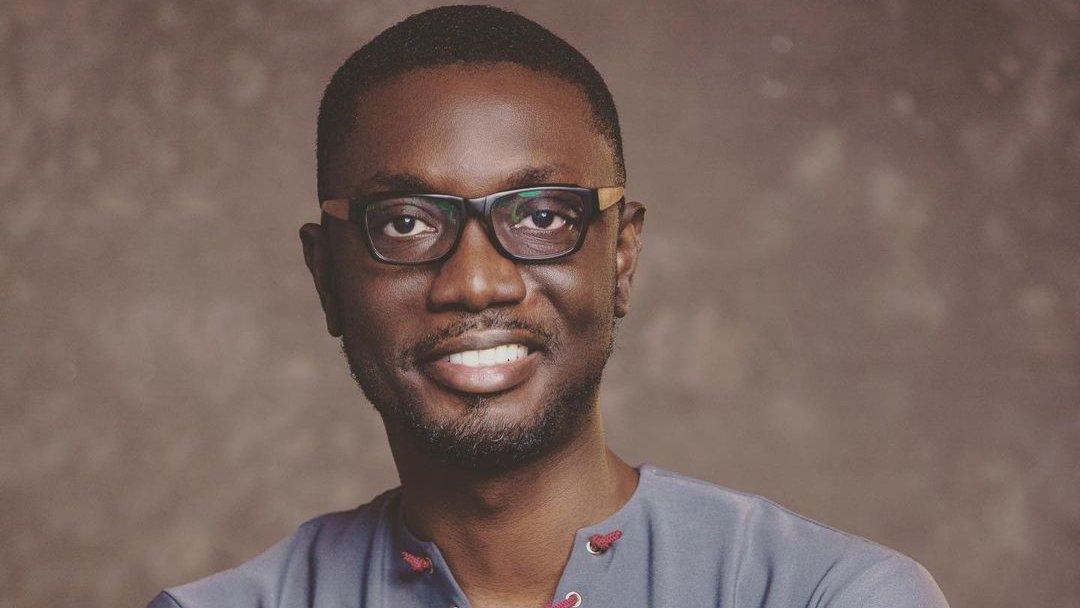
If you’ve searched for Ghanaian entertainment news in the past decade, chances are you’ve landed on AmeyawDebrah.com. The site’s eponymous founder, Ameyaw Kissi Debrah, is often hailed as “Ghana’s biggest blogger,” and for good reason. Ameyaw’s journey is a classic tale of passion meets opportunity. Back in 2008, armed with a degree in Publishing Studies and a love for celebrity news, he launched a simple blog that would eventually revolutionize entertainment reporting in Ghana.
Ameyaw started out writing for others – during National Service he worked at Ovation magazine and contributed to a diaspora-run site (Ghanacelebrities). But a lightbulb moment came when a colleague joked about him having his own website. They registered AmeyawDebrah.com on a whim – and it quickly became a go-to source for showbiz updates. At a time when traditional media paid scant attention to pop culture, Ameyaw filled the void with daily scoops on movie premieres, music releases, and those juicy celebrity rumors Ghanaians secretly love.
He grew his audience by savvy use of social media (back in Hi5 days, then Facebook/Twitter). Fans loved the behind-the-scenes peeks and candid interviews he posted. “I started growing a lot of audience on social media… posting my interactions, meeting celebrities,” he recalls. By consistently breaking stories – like exclusive interviews with visiting stars or sneak peeks of events – Ameyaw built a reputation as the plugged-in insider of Ghana’s entertainment scene.
Of course, turning a personal blog into a sustainable business wasn’t straightforward. In the early years, monetization was a headache. Ameyaw relied on Google AdSense for ad revenue, but at one point Google banned his account (due to a policy issue) and his earnings vanished overnight. “The only way I was making money was through Google Ads… when they suspended me, I was not making money,” he admits. It was a make-or-break moment. To survive, he got creative – doing freelance writing gigs, charging token fees for promoting events or handling social media for brands. He essentially hustled to keep the site going until direct advertisers came on board as his traffic grew.
Fast forward to today: AmeyawDebrah.com is a full-fledged media outfit with a small team of contributors, covering not just celebrity news but lifestyle, travel, and tech (Ameyaw is a tech enthusiast too). The brand has expanded into video content – Ameyaw runs a YouTube series interviewing personalities, and he’s authored an e-book. He’s even leveraged his influence into other ventures (from PR consulting to brand ambassadorships). What sets Ameyaw apart is his blend of professionalism and personal touch. He maintains a clean, credible tone (no libel suits in an industry rife with them), yet engages the audience with a friendly, witty style peppered with Ghanaian humor.
Despite his success, Ameyaw remains candid about the challenges. One is staying relevant in the face of competition – nowadays countless blogs and Instagram pages regurgitate entertainment news. He addresses this by focusing on original content and integrity. Another challenge: wearing multiple hats as an entrepreneur. In an interview, he mused, “Sometimes I’m the editor, sometimes the salesman chasing adverts, sometimes even the IT guy if the site is down!” Such is startup life. His advice to upcoming creators? “Don’t just copy someone; do something you’re passionate about and find what differentiates you”. He credits passion for sustaining him through the early tough years when blogging wasn’t seen as a real career in Ghana.
Ameyaw’s story illustrates how a single individual with a vision can pioneer an entire sector. He turned the once-scoffed idea of “blogging for a living” into a respectable and lucrative profession in Ghana – inspiring many younger bloggers (the likes of Linda Ikeji in Nigeria and others cite him as an influence regionally). These days, you might find Ameyaw moderating a panel on digital media or joking about trending topics on Twitter, but behind the easygoing public persona is a trailblazer who showed that new media can indeed thrive here. As a testament to his impact, he’s earned accolades from African Blogger of the Year to being named among Ghana’s 100 most influential people. Not bad for a guy who started with just a laptop and a dream.
Fun fact: Ameyaw’s rise even had a quirky cultural side-effect – the name “Ameyaw Debrah” became synonymous with breaking news. It’s not uncommon to hear someone quip “Are you Ameyaw Debrah?” if a friend always has the latest gist!
The OMG Digital Trio – Dreaming Big, Learning Fast
In 2016, three enterprising young Ghanaians – Jesse Ghansah, Prince Boakye Boampong, and Dominic Mensah – set out to build what some called “the BuzzFeed of Africa.” Their startup, OMG Digital, burst onto the scene with colorful viral content tailored for African millennials, and for a time, it looked poised to reshape digital media across the continent. While their journey ultimately took twists and turns (with incredible highs and painful lows), it offers a fascinating look at the ambition powering Ghana’s new media founders.
Jesse, Prince, and Dominic were college friends who noticed that youth in Ghana (and Africa broadly) were sharing memes, listicles, and pop culture content mostly from Western sites – think BuzzFeed quizzes or Mashable videos – because of a lack of relatable local content online. So in 2012, they started a little project called OMG Ghana, a blog for fun, buzzy news. It started humble, but the concept clicked. By 2015, they realized this could be bigger than a side-project. They rebranded to OMG Digital and set their sights on a pan-African digital media network targeting the continent’s 250 million young internet users.
Their timing was spot-on. At its peak, OMG Digital’s content (branded under sites like OMGVoice) drew about 800,000 unique visitors per month, an impressive feat for a Ghana-based startup. Their articles like “10 Ghanaian Foods All Foreigners Must Try” or humorous videos on Nigerian vs. Ghanaian jollof resonated and got massively shared on Facebook and Twitter. The team’s skill in social media growth was evident – they created country-specific pages (OMGVoice Nigeria, Kenya, etc.) that churned out witty, snackable content. In 2017, their success earned them a coveted spot in Y Combinator (Silicon Valley’s top accelerator), making them among the first African media startups at YC. They secured a seed funding round of $1.1 million with investors including Kima Ventures and a former BuzzFeed VP.
At ages 25-26, Jesse and his co-founders suddenly found themselves labeled as Africa’s rising media moguls. TechCrunch dubbed them the “BuzzFeed of Africa”, a moniker they embraced. There was a heady period where OMG Digital expanded operations to Nigeria and Kenya, hired content creators across countries, and boasted millions of monthly pageviews. They had big-brand advertising deals in the pipeline. It was the quintessential startup dream – three friends from Accra turning a local blog into an African media brand with global investor backing.
Yet, the road got bumpy. Monetizing digital content in Africa turned out to be a Herculean task. Advertisers were interested, but ad budgets for online were small and payments were frustratingly slow. “In 2018 when we ran out of funding, we were running on revenue. We dealt with big brands with long payment terms – it put a ton of pressure on our cash flow,” Jesse revealed. They resorted to extreme measures to stay afloat: “I remember how we took personal loans, even from loan sharks at 20% a week, to meet payroll,” he recalls of one harrowing period. Imagine the stress: one week of late payments and your staff of writers in Lagos and Nairobi don’t get paid. The founders were doing everything – content strategy by day, firefighting cash flow by night.
By 2019, it became clear that sustaining a BuzzFeed-style operation purely on advertising in West/East Africa was extraordinarily difficult. The team had to downsize and pivot focus. Eventually, all three co-founders moved on to other ventures: Prince Boakye Boampong went on to found fintech startup Chipper Cash in 2018, which became one of Africa’s unicorns (valued over $1 billion) – an incredible leap that showed his entrepreneurial chops. Jesse Ghansah founded a fintech called Float (addressing cashflow issues – no surprise, given the lessons from OMG), and Dominic pursued a career in digital products. As for OMG Digital, by 2020 it had effectively shuttered as a media company – a hard truth noted by tech observers.
So, was OMG Digital a failure? Not in the eyes of its founders – more like an intense learning experience. They proved that Ghanaian entrepreneurs could build products for a pan-African audience and attract major funding. They also proved the audience exists: African millennials do want locally relevant, fun content – their millions of users proved demand. The challenge was cracking the revenue model, something even global peers like BuzzFeed struggled with in later years.
One can argue OMG Digital was ahead of its time. Today, the digital ad market and brand sponsorship scene in Africa are growing; had OMG started a few years later, it might have found more oxygen. Regardless, their journey left a mark. Many of the young writers and creators they trained have gone on to start their own blogs, YouTube channels, and media pages, seeding the ecosystem. And the founders, through their new startups, are now prominent figures in Africa’s tech scene. They pivoted from media to fintech, essentially, carrying with them the scrappiness and ambition honed in the content wars. Prince once humorously noted that running a media startup in Africa prepared him for anything in business – if you can survive that, you can survive most things.
The OMG story is a rollercoaster of big dreams, rapid growth, and painful pivots. It underscores a key reality for Ghana’s digital media entrepreneurs: scaling up is possible, but sustaining requires constant innovation and sometimes reinvention. Not every venture will last, but each contributes to the maturation of the industry. In a way, OMG Digital walked so that others could run (or meme, as it were). Their legacy is a generation of Ghanaian/African media founders who are more savvy about balancing virality with viability.
Profiles of other notable founders…
Each of these founders – Ameyaw Debrah with his one-man brand, and the OMG Digital trio with their grand pan-African vision – showcases the possibilities and pitfalls of Ghana’s digital media revolution. Their stories are by turns inspiring and cautionary. On one hand, you have Ameyaw, who turned personal passion into a sustainable media business by staying adaptable and true to his audience. On the other, Jesse, Prince, and Dominic, who dared to dream huge and achieved a measure of success that put Ghana on the startup map, yet had to recalibrate when the model proved unsustainable.
What unites them is entrepreneurial grit and innovation. They saw opportunities in how Ghanaians consume content – whether it was the lack of online celebrity news or the thirst for relatable viral media – and they took initiative to fill those gaps. They also all faced skeptics. (Many editors from old-school media initially dismissed bloggers and viral content creators – until they saw the traffic numbers these upstarts pulled in.) Now, even traditional media houses hire social media managers and break news online first, a paradigm Ameyaw and OMG helped establish.
Importantly, these founders navigated unique challenges in Ghana/Africa: unreliable infrastructure, scarce investment, nascent digital ad markets, and the task of educating both audiences and advertisers about new formats. Their experiences have yielded valuable lessons for the next wave of media entrepreneurs. For instance, focus on building a community, not just a readership (Ameyaw engages his followers actively, making them feel part of his journey). And scale cautiously and mind the revenue gaps (the OMG founders would surely advise ensuring a solid monetization plan alongside user growth).
As Ghana’s internet penetration grows and more people come online, the impact of these pioneers is evident. They’ve shown that local content can thrive in a digital format – that Ghanaians need not rely solely on foreign media or traditional channels for information and entertainment. In doing so, they’ve paved the way for a plethora of digital media startups now emerging: from niche podcasts to online video platforms and community news apps.
In the end, whether a startup succeeds or fails, each founder’s journey adds a chapter to the evolving story of Ghanaian media. And success can be defined in different ways. Ameyaw Debrah is a success in the classic sense – awards on his shelf, profitability, and influence. OMG Digital’s founders succeeded in proving a concept and then succeeding in other arenas using skills learned – a more roundabout success, but a success nonetheless when viewed as part of a bigger picture.Keep an eye on Ghana’s digital media founders. Today’s maverick blogger or daring startup team might be tomorrow’s media mogul or tech titan. Their paths aren’t easy – you’ll hear tales of burning the midnight oil during “dumsor” (power outages) to meet content deadlines, or negotiating ad deals over countless cups of Nescafé in Osu. Yet, their passion for storytelling and connecting with audiences keeps them going. They embody the proverb “Ɔkofo wↄnu a, ɔgyina” – the fighter falls but stands again. In a rapidly changing media landscape, Ghana’s digital media founders have shown they can adapt, evolve, and continue to shape how we get our news and entertainment. The hustle is real, but as these innovators have demonstrated, so are the rewards for those bold enough to reinvent media in their own image.

Subscribe to MDBrief
Clean insights, a bit of sarcasm, and zero boring headlines.