Unlike some countries that have instituted specific influencer regulations or comprehensive digital economy laws, Ghana’s approach has so far been piecemeal.
Creator Economy: Ghana’s Policy and Regulatory Environment
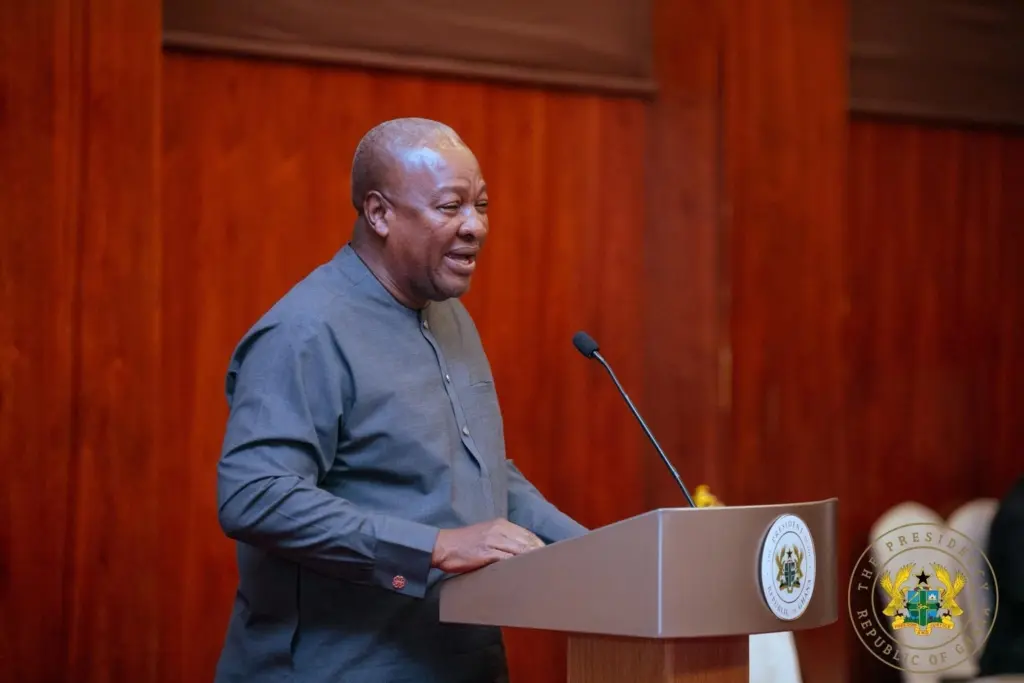
The policy and regulatory landscape around digital content and influencers in Ghana is still evolving and somewhat lagging the fast-paced growth of the creator economy. Unlike some countries that have instituted specific influencer regulations or comprehensive digital economy laws, Ghana’s approach has so far been piecemeal. Here, we examine the current state of relevant policies, recent developments, and the gaps affecting content creators and digital media entrepreneurs.
Advertising and Consumer Protection Laws: Traditionally, advertising in Ghana has been regulated by a mix of laws and agencies depending on the sector (for example, the Food and Drugs Authority regulates ads for consumables and health products, the Gaming Commission looks at betting ads, etc.). However, these frameworks were built for conventional media (TV, radio, print) and have not fully caught up to social media influencer advertising. As it stands:
- There is no specific legal requirement compelling influencers to disclose sponsored content. So if an influencer is paid to promote a skincare product on Instagram, they are not explicitly breaking a Ghanaian law by failing to mark it as an ad (though ethically it’s questionable). This contrasts with places like the US (FTC guidelines) or UK (ASA rules) where nondisclosure can lead to penalties. The absence of such rules in Ghana means transparency is left to the influencer’s discretion, and many do not disclose, which can mislead consumers.
- The Advertising Council Bill has been under consideration to modernize ad oversight. If passed, it would establish an Advertising Council which could presumably issue guidelines for social media marketing and ensure adverts (including those by influencers) are not false or harmful. This Bill could introduce disclosure requirements and hold brands responsible for what influencers say on their behalf. As of the latest updates, the Bill was yet to be enacted; thus the enforcement remains weak currently.
- One area Ghana has acted is in certain harmful products: for example, there have been warnings about celebrities or influencers promoting skin bleaching creams or unregistered herbal medicines. The FDA has the power to sanction those advertisements, but policing social media is challenging. It’s more reactive (after complaints) than proactive regulation. This gap means, as an observer pointed out, Ghana might be waiting for a scandal (like a public health incident from an influencer-promoted product) to trigger stricter rules.
Taxation and Business Formalization: A major development in the regulatory environment came in 2024 when the Ghana Revenue Authority (GRA) announced it would enforce taxation of income earned online by residents. Key points:
- Ghanaian content creators who earn money from platforms like YouTube, TikTok (via gifts or brand deals), or affiliate programs are now expected to declare that income and pay the appropriate taxes. This includes foreign-sourced income (e.g., Google AdSense payments from the US) for Ghana tax residents.
- This move is part of a broader trend of governments formalizing the digital economy. For creators, it means possibly registering as sole proprietors or businesses, keeping records of their earnings, and understanding tax filing – which many were not doing before. There’s recognition that if you’re making a living off content, you’re effectively running a business that the tax net should cover.
- While paying tax is a civic duty, the concern is whether creators might be double-taxed (some platforms may have withholding taxes at source) or whether the rates are optimized for small creator businesses. For instance, if a YouTuber only makes a modest sum yearly, high tax rates could discourage them from continuing. The GRA’s challenge is to implement this without stifling the burgeoning sector. They have hinted at capturing big earners and foreign income – implying they’re targeting those with substantial revenue streams, not casual users.
- In Nigeria, a similar push led to requiring content creators to register with authorities and even talk of hefty license fees for certain promotions. Ghana’s approach so far is milder (focusing on taxation rather than licensing). However, Ghanaian creators are watching Nigeria’s situation as a cautionary tale of over-regulation. Nigeria’s proposed influencer registration fee (₦1 million) caused an uproar and fear of choking the industry. Ghana has not introduced any license fee or registration specifically for influencers yet, which is a relief to many. The focus remains on integrating them into the tax system.
Digital Content and Speech Regulations: Ghana prides itself on relatively strong freedom of speech and press freedom compared to many countries in the region. Online content generally enjoys the same freedom, but there are laws that could affect creators:
- Cybersecurity Act 2020 and related laws: Ghana has laws against cybercrimes, spreading false information, and online harassment. A creator who, say, spreads false panic (fake news) or engages in cyber-bullying could face legal issues under these broader statutes. While enforcement is selective, it’s a backdrop creators are aware of. For example, a few years ago some Ghanaian social media users were arrested for spreading false COVID-19 information. Creators, especially those doing citizen journalism or political commentary, tread carefully to verify their info and sometimes self-censor to avoid defamation suits or trouble with authorities.
- Copyright Law: Ghana has copyright laws (based on the Copyright Act, 2005) which protect creative works. In theory, they protect creators’ original content from being stolen, but in practice enforcement in the digital space is minimal. Conversely, creators have to also be careful not to use copyrighted music or footage in their videos without permission. Many Ghanaian YouTubers have had their videos demonetized or taken down due to using popular songs without rights. Global platforms enforce these via automated systems (Content ID on YouTube), so creators had to learn to use royalty-free music or get licenses. Locally, there isn’t yet a streamlined way for them to license Ghanaian music for use, apart from personal arrangements with artists.
- Data Protection and Privacy: If creators collect personal data (emails, etc.), Ghana’s Data Protection Act could apply. But this is more relevant to companies; individual influencers aren’t typically scraping user data beyond what platforms handle.
Institutional Support and Policy Gaps: On the supportive side, the government has initiatives for the broader creative arts industry (film, music, art), including setting up a Creative Arts Fund and building a Creative Arts school. Digital content creators may indirectly benefit from these, but there’s not a targeted government program for online creators yet. We do see government agencies engaging influencers for campaigns (like tourism promotions or public health messaging). In such cases, the government acknowledges their role but hasn’t formalized how to nurture the sector.
One notable gap is the lack of a union or association specifically for content creators and influencers. In some countries, creators have banded together to form associations that dialogue with regulators (for example, in Kenya there is a Creatives’ Union pushing back on certain laws). In Ghana, while there are informal communities (Blogging Ghana, etc.), there isn’t an official body representing influencers’ collective interests. Such a body could, for example, lobby for clearer guidelines or support structures (like subsidized internet for creative businesses, training grants, etc.).
Emerging Discourse: The regulatory environment is starting to catch up primarily because the influence of social media personalities is now evident. A few areas getting policymakers’ attention:
- Misinformation and Fake Endorsements: There’s growing awareness that influencers hawking unverified products (slimming teas, aphrodisiacs, cryptocurrency schemes, etc.) can harm consumers. Regulators like the FDA and the Central Bank (for financial products) are likely to clamp down if any incident happens. Already, the FDA occasionally issues statements cautioning celebrities/influencers about endorsing drugs or remedies without approval.
- Local Content Quotas: In traditional media, Ghana has considered quotas for local content (like a percentage of TV programming to be Ghana-made). While not applicable to global platforms directly, there is a conversation about promoting local digital content. For instance, some have proposed that telcos zero-rate local content platforms (not charging data for Ghana-based sites) to encourage their usage. If such policies come into play, they could indirectly boost local creator content consumption.
- E-commerce and Consumer Rights: As social commerce grows (influencers selling items), consumer protection laws may need updates for online transactions initiated through social media. Ensuring buyers have recourse if a product sold via Instagram is faulty, etc., is an area regulators will eventually address under e-commerce regulations.
In summary, Ghana’s regulatory environment for the creator economy is in flux – moving slowly from a hands-off phase into a phase of establishing norms. Currently, the space is relatively free-form with minimal direct regulation, which has allowed creativity to flourish, but also has left creators to fend for themselves regarding fair practices and support. The introduction of taxation marks an inflection point where authorities formally recognize digital creators as economic actors. The next few years could see more clarity: ideally rules for truth-in-advertising online, support for training, and integration of creators into digital economy strategies; or, if mismanaged, potentially restrictive policies borrowed from other jurisdictions. Striking the right balance will be crucial so that regulation protects consumers and creators without unduly hampering the innovative, grassroots nature of the creator ecosystem.

Subscribe to MDBrief
Clean insights, a bit of sarcasm, and zero boring headlines.